

Campaign for Judicial Accountability and Reforms (CJAR)
The Campaign for Judicial Accountability and Reforms (CJAR) is a collective committed to strengthening judicial accountability, institutional integrity, transparency, and the rule of law in India. It brings together members of the legal community and others who share a deep commitment to the Constitution and to the independence, credibility, and proper functioning of judicial institutions.
Judicial Independence.
Institutional Integrity.
Public Accountability.
We believe that judicial independence is indispensable to a constitutional democracy, but independence cannot mean immunity from scrutiny. The exercise of judicial power carries with it a corresponding duty of accountability. Courts derive their authority from the Constitution, and that authority must be exercised with fidelity to law, fairness, reason, restraint, and institutional propriety. Accountability, therefore, is not a challenge to judicial independence, it is one of the conditions that gives that independence its legitimacy.
CJAR was formed as a collective response from lawyers, people’s movements and public-interest groups to work towards making the judicial system more accountable, accessible, and sensitive to the poor.
CJAR engages with the structural and institutional questions that shape the administration of justice. It examines the functioning of judicial institutions, the standards governing the exercise of judicial power, the processes through which judicial authority is constituted and administered, and the safeguards necessary to preserve institutional integrity. It seeks to bring greater openness and constitutional scrutiny to questions that have traditionally remained within closed institutional spaces.
The campaign is guided by the conviction that no public institution exercising constitutional power should be beyond legitimate scrutiny. At the same time, such scrutiny must be principled, evidence-based, and firmly anchored in law. CJAR therefore seeks to advance accountability without compromising the decisional independence of judges or the institutional autonomy of the judiciary.
For CJAR, judicial reform is ultimately about preserving public confidence in the administration of justice. That confidence cannot rest solely on the authority of courts; it must be sustained by the fairness of their processes, the integrity of their institutions, the transparency of their functioning, and the willingness of the legal system to acknowledge and address its own shortcomings.
CJAR is committed to a justice system in which judicial power is exercised independently but never arbitrarily, where institutional authority is accompanied by institutional responsibility; and where the Constitution remains the ultimate standard against which the exercise of public power is measured. Its work is grounded in a simple but fundamental principle: the independence of the judiciary must be protected precisely because the judiciary is entrusted with the protection of law, rights, and constitutional democracy and that trust must always be worthy of accountability.

CJAR was formed as a collective response from lawyers, people’s movements and public-interest groups to work towards making the judicial system more accountable, accessible, and sensitive to the poor.
CJAR engages with the structural and institutional questions that shape the administration of justice. It examines the functioning of judicial institutions, the standards governing the exercise of judicial power, the processes through which judicial authority is constituted and administered, and the safeguards necessary to preserve institutional integrity. It seeks to bring greater openness and constitutional scrutiny to questions that have traditionally remained within closed institutional spaces.
The campaign is guided by the conviction that no public institution exercising constitutional power should be beyond legitimate scrutiny. At the same time, such scrutiny must be principled, evidence-based, and firmly anchored in law. CJAR therefore seeks to advance accountability without compromising the decisional independence of judges or the institutional autonomy of the judiciary.
For CJAR, judicial reform is ultimately about preserving public confidence in the administration of justice. That confidence cannot rest solely on the authority of courts; it must be sustained by the fairness of their processes, the integrity of their institutions, the transparency of their functioning, and the willingness of the legal system to acknowledge and address its own shortcomings.
CJAR is committed to a justice system in which judicial power is exercised independently but never arbitrarily, where institutional authority is accompanied by institutional responsibility; and where the Constitution remains the ultimate standard against which the exercise of public power is measured. Its work is grounded in a simple but fundamental principle: the independence of the judiciary must be protected precisely because the judiciary is entrusted with the protection of law, rights, and constitutional democracy and that trust must always be worthy of accountability.
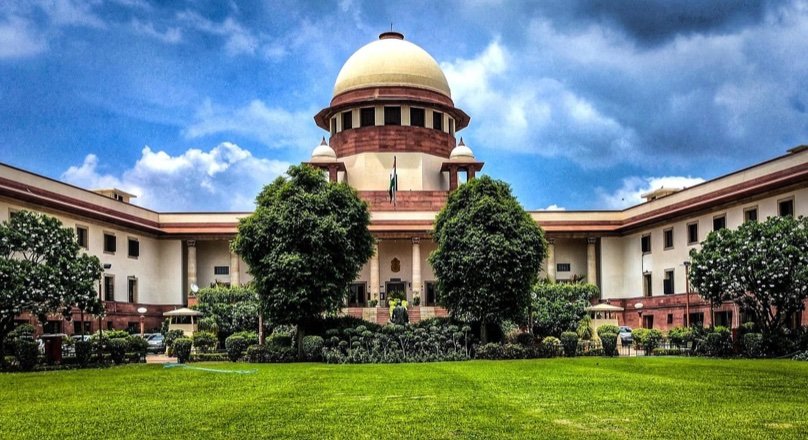
Executive Committee
The executive committee provides direction to the Campaign’s activities. It is chiefly guided by the mandate and policies laid out at the annual convention. The members of the executive group shall be nominated from within the Campaign Committee and any additions or removals from this group will be subject to the approval of the other members of the executive group and the larger campaign committee. The executive committee shall nominate is Convenors and Secretary from within the Committee. The executive group shall meet at least once a month.
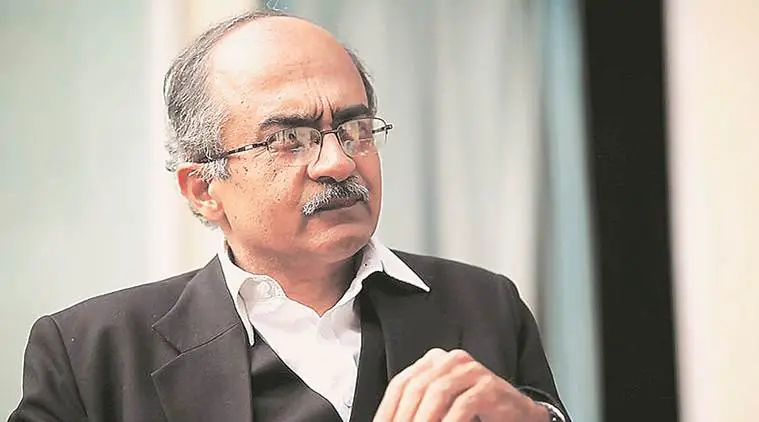
Prashant Bhushan
Convenor
Prashant Bhushan is a senior public interest advocate and human rights activist. He has fought several cases in the Supreme Court of India for the rights of the poor and the marginalised. He is known for his use of public interest litigation to support a number of causes related to corruption in high places, enviromental protection and human rights. He is also the convenor of the Campaign for Judicial Accountability and Reforms and founding member of the Centre for Public Interest Litigation that takes us public interest casues pro bono in the High Court and Supreme Court of India.

Alok Prasanna Kumar
Convenor/Secretariat Member
Alok Prasanna Kumar is an advocate based in Bengaluru. He’s a co-founder of the Vidhi Centre for Legal Policy. He’s previously practiced in Delhi from the chambers of Mr Mohan Parasaran. He’s been involved with CJAR since 2015.

Cheryl D’souza
Secretary/ Secretariat Member
Cheryl D’Souza is a human rights advocate and the secretary of the Campaign for Judicial Accountability and Reforms . Her work at the Supreme Court has specifically been on public interest litigation around issues such as corruption in the higher judiciary, transparency and accountability of institutions, rights of refguees and migrants, operationalizing the right to food and work under various welfare legislations, communal violence and police accountability.
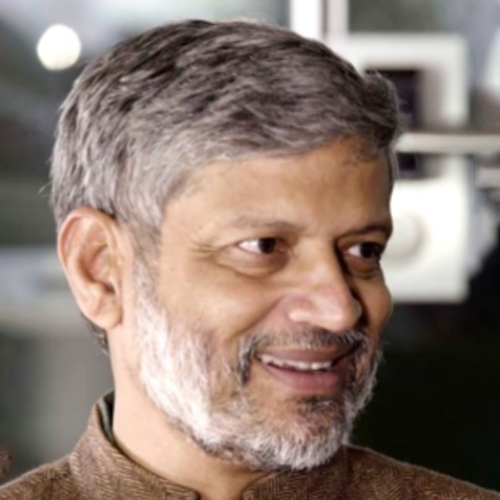
Nikhil Dey
Executive Member
Nikhil Dey is a founding member of the Mazdoor Kisan Shakti Sangathan (MKSS) with Aruna Roy and Shankar Singh since 1987, along with being a founding member of the National Campaign for People’s Right to Information (NCPRI -1996) and Suchna evum Rozgaar Abhiyan (2005). He and the MKSS have been involved in struggles of the poor for justice, including grassroots struggles for land and the payment of minimum wages. He has also been a part of the organisation’s involvement in collective larger campaigns – most notably for the people’s Right to Information (RTI), and the National Rural Employment Guarantee Act (NREGA).
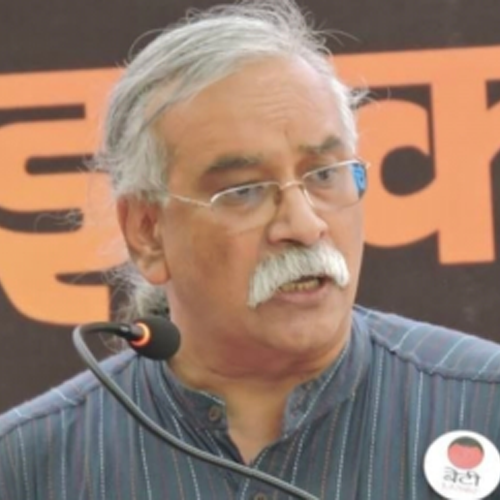
Indu Prakash Singh
Executive Member
Indu prakash singh, is a Sociologist, Poet, Writer, Human Rights Defender, a feminist, a TEDx Speaker, and a facilitator of PRA (Participatory Reflection and Action). He has been part of the Women’s Movement, since 1980s. He has been the part of the homeless work (whom he calls CityMakers), since 1999. He’s an alumni of University of Delhi, Jamia Millia Islamia and JNU. He’s part of CJAR, since 2004, the beginning of it.
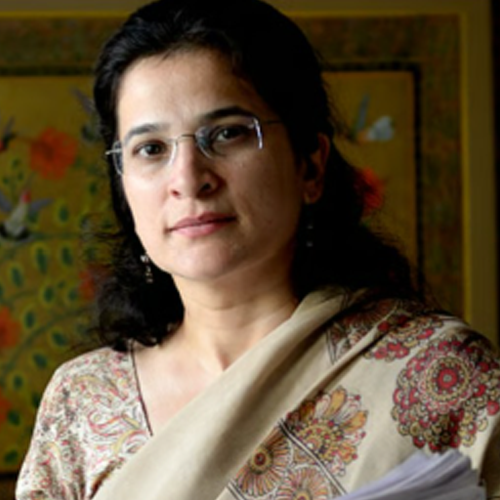
Anjali Bhardwaj
Executive Member
Anjali Bhardwaj has been closely associated with the Right to information movement in India and has been working extensively on issues related to transparency, RTI Act and anti-corruption for over 26 years. She is a Co-convenor of the National Campaign for Peoples’ Right to Information (NCPRI), a founding member of Satark Nagrik Sangathan and a member of the governing board of Common Cause.

Amrita Johri
Executive Member/ Secretariat Member
Amrita Johri, is a member of the working committee of National Campaign for Peoples’ Right to Information (NCPRI) and works with Satark Nagrik Sangathan. She has worked extensively on issues related to transparency, RTI Act and accountability for the last two decades. She has co-authored several national studies on the implementation of the RTI Act, including ‘Peoples’ Monitoring of the RTI Regime in India 2011-13’, ‘Tilting the Balance of Power – Adjudicating the RTI Act, 2017’, ‘Adjudicating the RTI Act: Analysis of orders of the Central Information Commission, 2019’ and ‘Report Card of Information Commissions in India’ (2018, 2019, 2020, 2021, 2022, 2023, 2024 and 2025).
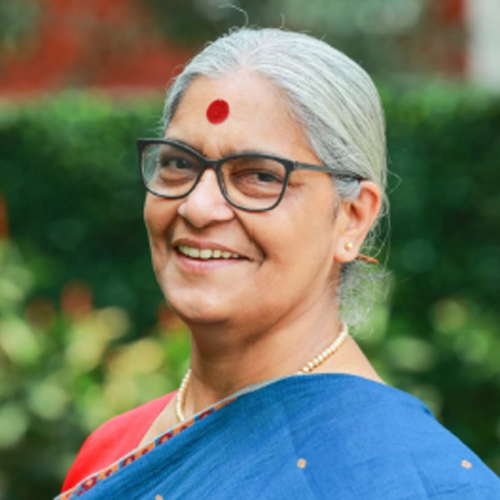
Annie Raja
Executive Member
Annie Raja is a social and political activist and an advocate for women’s rights, social justice, and constitutional values. She has served as the General Secretary of the National Federation of Indian Women (NFIW) and has been actively engaged in campaigns and grassroots struggles concerning gender equality, the rights of marginalised communities, and democratic freedoms. Over the years, she has been closely associated with movements and campaigns that have contributed to important legislative and policy changes, including the enactment of the Protection of Women from Domestic Violence Act and the National Rural Employment Guarantee Act (NREGA).
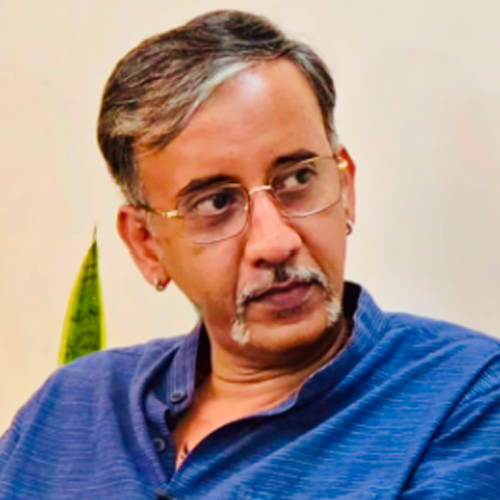
Vijayan MJ
Executive Member
Vijayan MJ is a Delhi based political analyst, writer and researcher. He heads the Participatory Action Research Coalition of India and is General Secretary of Pakistan India Peoples’ Forum for Peace and Democracy. A founding member of Friends of the Earth India, CJAR and the Founding Director of People’s Commission and Public Inquiry Committee on Covid-19 pandemic, Vijayan has been a senior research scholar and member of the Carnegie Europe’s Civic Research Network. He has worked closely with many peoples’ movement against displacement and for rights of traditional natural resource based communities and has been active with Delhi Solidarity Group and other similar civic action groups for human rights, dignity, justice and peace.
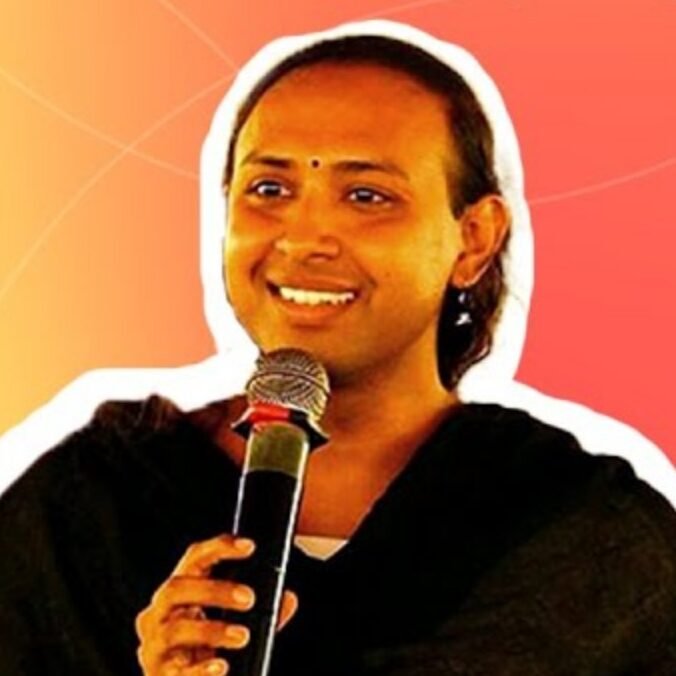
Meera Sanghamitra
Executive Member
Meera Sanghamitra is an independent activist, based in Hyderabad, Telangana. She has been associated for more than a decade and a half with the National Alliance of People’s Movements (NAPM), pan-Indian autonomous platform of mass movements of adivasis, dalits, farmers, workers, fisher people, women and other marginalized communities & concerned citizens.
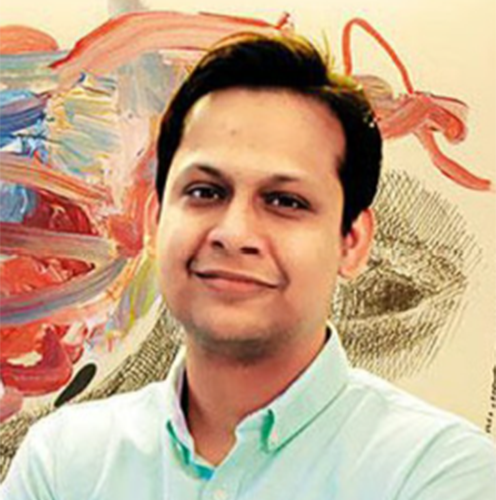
Apar Gupta
Executive Member
Apar Gupta is a lawyer and writer on democracy and technology, and the Founder Director of the Internet Freedom Foundation (IFF). He has acted as a counsel in leading constitutional cases on freedom of speech and privacy. Apar was the co-founder of the SaveTheInternet.in, a grassroots campaign that mobilised over a million Indians and secured strong net neutrality safeguards, and since 2018, he has lead IFF where he pairs campaigns with policy advocacy and impact litigation on issues of digital access and coercion.
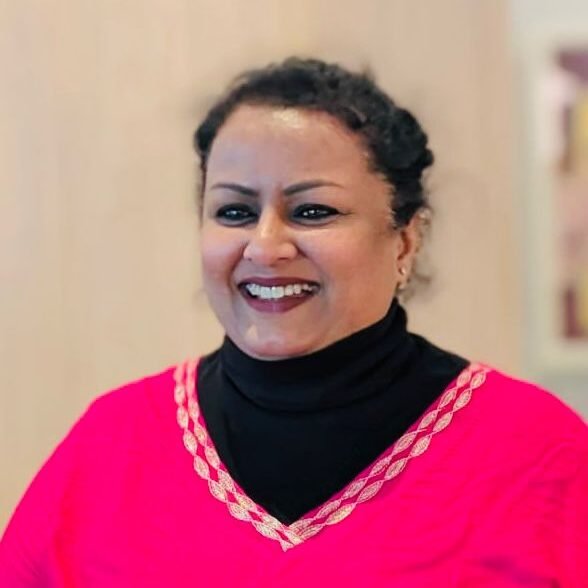
Beena J Pallical
Executive Member
Beena J Pallical is a Dalit Feminist Leader and currently General Secretary, National Campaign on Dalit Human Rights (NCDHR)-DAAA-NDMJ. After about a 10 year stint in the corporate sector in marketing, she decided to move to the social sector because of her interest in human rights and taking up social causes. Over the last 16 years she is with the NCDHR working on Dalit Economic Rights and Access to Justice. She has been passionately working towards policy changes within Central and State governments towards the marginalised communities (Dalits &Tribals ) and been demanding that Dalit Women be included in policy formulation.
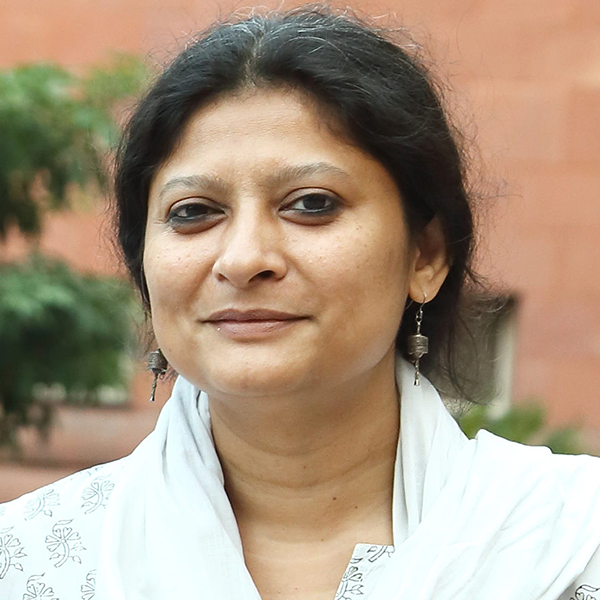
Koninika Ray
Executive Member
Koninika Ray, National Vice President, National Federation of Indian Women has been active in the areas of social welfare and justice particularly in rights based issues of gender justice and equality, food security, education, health, employment, pensions and judicial accountability with a direct involvement with programmes and people on the ground. Koninika did her Masters in Biotechnology and Ph.D. in the fields of Immunology and Virology.
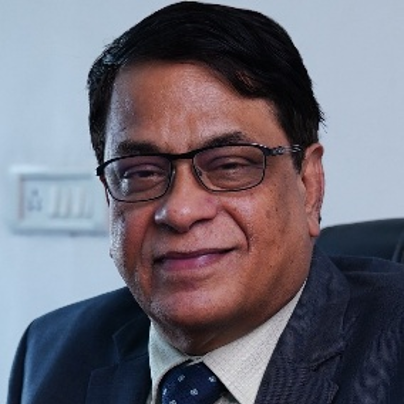
Dr Venkatesh Sundaram
Executive Member
Dr Venkatesh Sundaram has been associated with he Campaign for Judicial Accountability and Reform since 2007. He is an active member of Lok Raj Sangathan, an organisation whose mission is to vest political sovereignty in the hands of the people of India, rather than the political parties controlled by the monopolies and the rich. Since his student days, he has been active, on issues of the rights of the people and collectives, and in fighting against the atrocities committed by the authorities and ruling circles on students, youth, farmers and working people.
Indira Unninayar
Executive Member
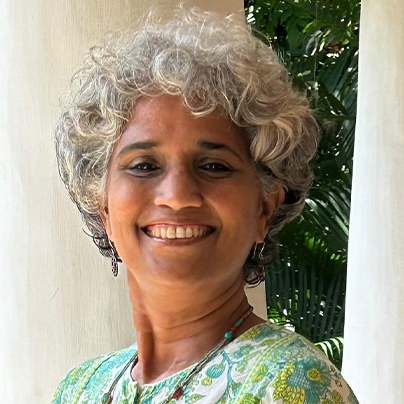
Indira Unninayar is a Lawyer, Advocate on Record, Activist & Mediator, practicing in the Delhi High Court, Supreme Court, District Courts, Commissions and Tribunals. Her area of work is largely in the representation of vulnerable or marginalized people and social justice causes. She has worked on public interest matters on the right to freedom of speech and expression challenging film and book bans, the right to dignity in pursuing one’s livelihood, the right to shelter and health. Ms. Unninayar has a multi-disciplinary background in Research, Management and Law – with a B.A. Honours in Economics from LSR College, Delhi University, an M.A. in Economics from The Delhi School of Economics (DSE), and an L.L.B. from The Delhi University.

Devvrat
Executive Member
Devvrat is an Advocate-on-Record practising before the Supreme Court of India.
Dr Vipul Mudga
Executive Member
Dr Vipul Mudgal is an activist, journalist and media scholar. He heads Common Cause, known for its high-impact PILs and the Status of Policing in India Reports. He is a Trustee of the Association for Democratic Reforms (ADR). He has been Editor of Hindustan Times in Jaipur and Lucknow, South Asia Editor at Asia Times, Bangkok, and a BBC journalist in London and Delhi. He has reported from Punjab and Kashmir for India Today. He has been writing on and campaigning against police torture and fake encounters. He did his PhD from Leicester University, UK, as a Nehru Fellow. Dr Mudgal has been a visiting Senior Fellow at the Centre for the Study of Developing Societies (CSDS) and the founding director of its Publics and Policies Programme.
Shiyas KR
Secretariat Member
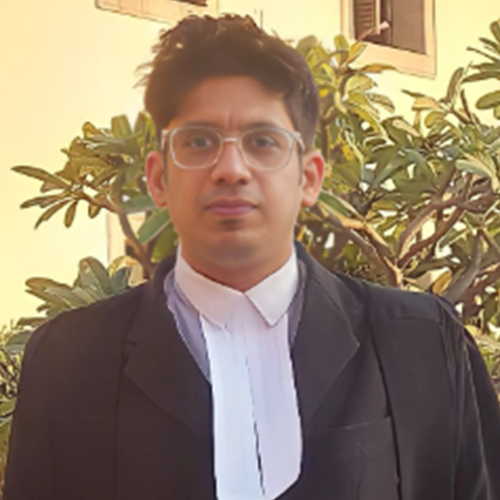
Shiyas KR is an Advocate practising in the Supreme Court of India and various Appellate Courts. He is a co-founder of the Nyay Neeti Foundation, a pro bono litigation organisation working to advance access to justice for marginalised and disadvantaged communities. Shiyas completed his law degree at Government Law College (GLC), Thrissur, Kerala. In 2021, he attended the AMRI–LPE Yale Summer School on Anti-Monopoly Law, an academic programme focusing on competition and anti-monopoly laws. He is also a founding member of LAFC (Lawyers’ Association for Constitution), an organisation founded to defend constitutional rights.

Anushka Singh
Secretariat Member
Anushka Singh is an advocate practising before the High Court and Supreme Court of India. She is also a Founder and Director of the Vanadhara Foundation, an organisation working on environmental protection and related legal issues and founding member of LAFC (Lawyers’ Association For Constitution). Her interests lie in constitutional and human rights law, particularly in public interest work concerning the protection of rights and social welfare. She is particularly drawn to questions of transparency and accountability, and to using public law to address institutional failures and advance the rights and interests of people.