


CAMPAIGN FOR JUDICIAL ACCOUNTABILITY AND REFORMS
6/6 basement, Jangpura B, Delhi – 110014
judiciareforms@gmail.com, judicialreforms.org
Executive Committee: Prashant Bhushan (Convenor), Cheryl D’souza (Secretary), Nikhil Dey, Alok Prasanna Kumar, Venkatesh Sundaram,Indu Prakash Singh, Anjali Bhardwaj, Amrita Johri, Annie Raja, Beena Pallical, Siddharth Sharma, Indira Unninayar, Vijayan MJ, Vipul Mudgal ,Koninika Ray, Meera Sanghamitra, Prasanna S, Sai Vinod, Apar Gupta, Anurag Tiwari Prashant Bhushan (Convenor), Cheryl D’souza (Secretary), Nikhil Dey, Alok Prasanna Kumar, Venkatesh Sundaram, Indu Prakash Singh, Anjali Bhardwaj, Amrita Johri, Annie Raja, Beena Pallical, Siddharth Sharma, Indira Unninayar, Vijayan MJ, Vipul Mudgal,Koninika Ray, Meera Sanghamitra, Prasanna S, Sai Vinod, Apar Gupta, Anurag Tiwari
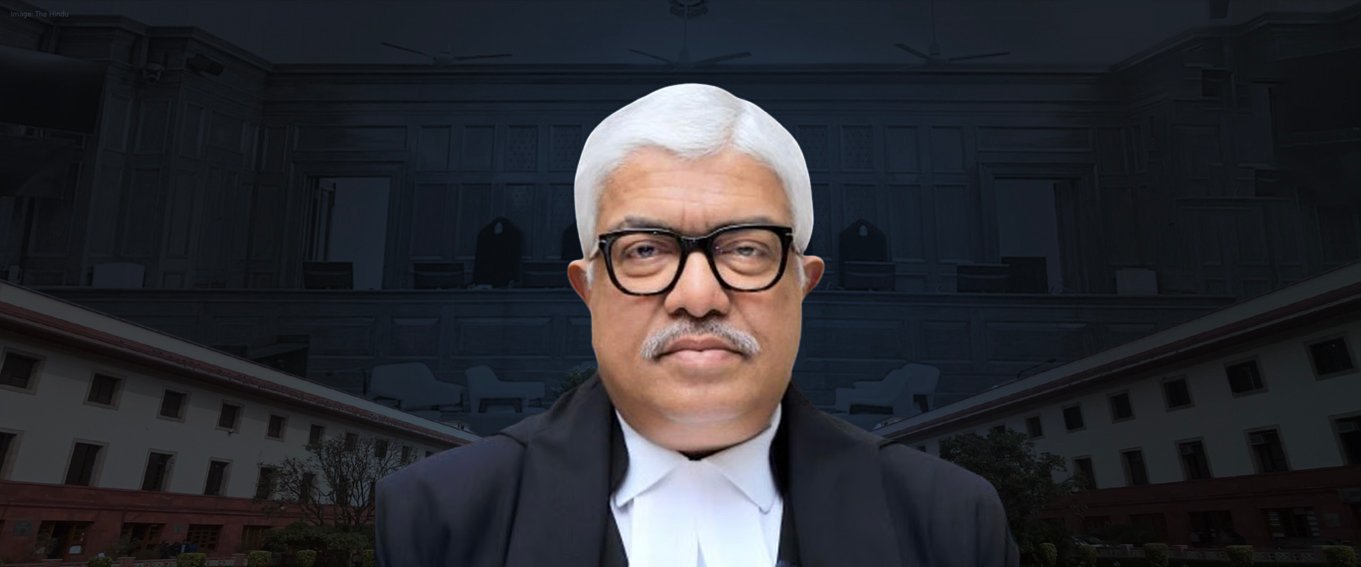
CJAR calls upon the collegium to recall its recommendation to transfer Justice Atul Sreedharan to the Allahabad High Court
21st October 2025
The Campaign for Judicial Accountability and Reform notes with deep concern the circumstances regarding the transfer of Justice Atul Sreedharan to the Allahabad High Court and the complete lack of transparency in the matter.
In August 2025, the Supreme Court collegium recommended the transfer of 14 judges, which included Justice Sreedharan’s transfer, from the Madhya Pradesh High Court to the Chhattisgarh High Court. However, on October 14, 2025, the Supreme Court issued a statement noting that “on reconsideration sought by the Government” the collegium changed its decision and decided to transfer Justice Atul to the Allahabad High Court instead of the High Court of Chhattisgarh. The statement by the SC Collegium does not reveal any reasons on why the government sought reconsideration and what persuaded the collegium to agree to the government’s demands and change its decisions.
This is the third time Justice Sreedharan is being transferred. Originally from the Madhya Pradesh High Court, he was first transferred to the Jammu & Kashmir and Ladakh High Court in 2023 on his own request, so that his daughter could practice in Indore. He gave several bold decisions while in J&K and Ladakh High Court. His bench struck down several preventive detention orders under the Public Safety Act. Thereafter in March 2025, he was repatriated back to the Madhya Pradesh High Court, and in August 2025 was proposed to be transferred to the Chhattisgarh High Court. While in Madhya Pradesh High Court, Justice Sreedharan was part of a division bench that had significantly orderd an FIR against BJP’s Vijay Shah over his remarks against Colonel Sofia Qureshi who held a series of media briefings during Operation Sindoor. While transfers are an incidence of service as a High Court judge, the circumstances of his transfers raise troubling questions about the independence of the judiciary.
First, Justice Sreedharan has a reputation for being independent and assertive, willing to hold governments accountable for their actions. His pro citizen and pro Constitution verdicts have been widely appreciated. To see that such a judge is being transferred around for unexplained reasons makes the public question the intentions of the collegium.
Second, Justice Sreedharan was supposed to be transferred to the Chhattisgarh High Court but the collegium has changed this recommendation, transferring him to the Allahabad HC. While he would have been the second senior most judge in Chhattisgarh High Court, he will now be the seventh senior most judge in the Allahabad HC. If the transfer to the Chhatisgarh High Court had proceeded, it would have placed him in the High Court collegium and potentially in line for future elevation to Chief Justice of the Chhatisgarh High Court. To an outside observer, this gives the impression of a punishment.
Third, the basis for changing the recommendation – the request of the Union Government – is wholly contrary to the law and the Constitution. The second and third judges’ cases make it clear that transfers are to be in public interest and to protect the institution of the judiciary, not the convenience or interests of the Union Government. Such a change in recommendation, contrary to procedure, sends out a wrong signal to the public on the collegium’s motives and intent.
Fourth, the complete lack of transparency in the matter is alarming. The reasons for the government seeking reconsideration of the Collegium’s decision have not been disclosed. The statement of October 14, 2025 only conveys the decision of the collegium to cede to the government’s demands and modify its earlier decision. No details of the discussions and deliberations that transpired in the collegium meeting and the reasons which persuaded the collegium to change its original decision are recorded or disclosed. Such opaqueness in the appointment process, especially where the collegium withdrew its original recommendation upon a request by the government, erodes public trust in the institution and its independence. It also marks a complete departure from the Supreme Court’s intervention and directions in ensuring transparency in the appointment process to statutory bodies including information commissions under the RTI Act and the Central Vigilance Commission.
For these reasons, we call upon the Supreme Court collegium to immediately recall the resolution to transfer Justice Sreedharan to the Allahabad HC and give the public clear reasons for his, and other transfers of High Court judges.


