
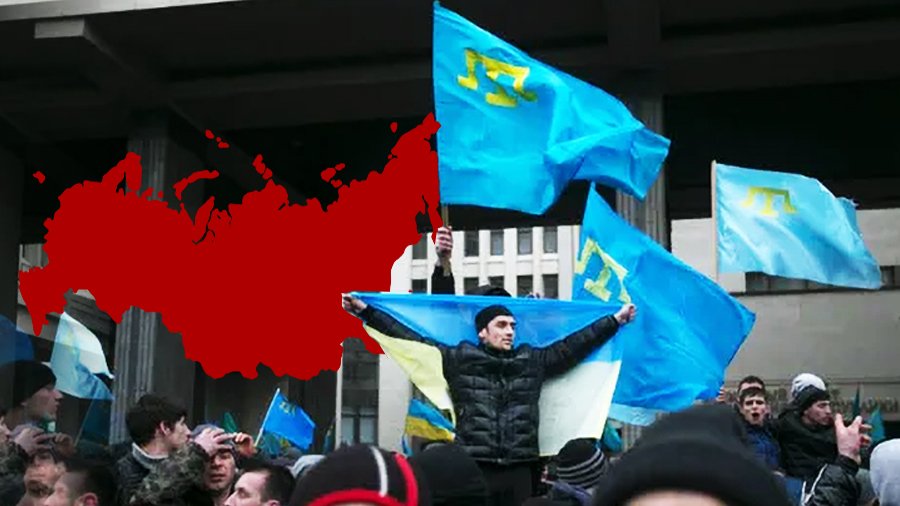

The European Court of Human Rights ruled that Russia was responsible for a pattern of human-rights violations in Crimea after Russia took control of the peninsula in 2014. The case was brought by Ukraine and was described as the first interstate case in which Ukraine challenged Russia over the treatment of people in occupied Crimea.
The court considered evidence from witnesses and reports by non-governmental organisations. It found that the violations were numerous and connected enough to form a broader pattern. The allegations included unlawful detention, disappearances, ill-treatment, restrictions on freedom of religion and expression, pressure connected to Russian citizenship, and restrictions affecting Ukrainian media and language in schools.
The court also ordered Russia to take steps to help ensure the safe return of certain prisoners who had been transferred from Crimea to prisons in Russia. However, the practical effect of the ruling is limited because Russia no longer participates in the European human-rights system and has rejected the authority of the court in this context.
Ukraine welcomed the judgment as an important legal recognition of what it described as systematic abuses during the occupation. The ruling adds to the international legal record concerning Russia’s actions in Crimea.