
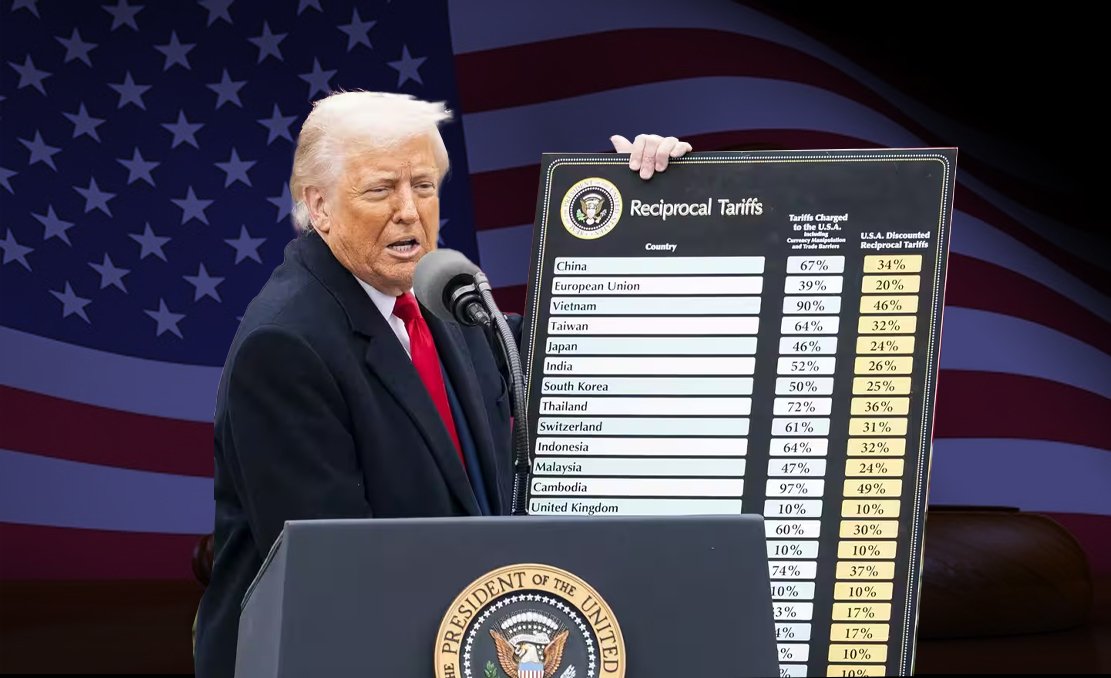

A US trade court ruled that President Donald Trump’s 10 percent tariff on most imports was unlawful. The tariff had been introduced as a replacement for an earlier tariff programme after the US Supreme Court had rejected Trump’s previous attempt to impose broad tariffs using emergency powers.
The administration relied on Section 122 of the Trade Act of 1974. That law allows a president to impose a temporary import surcharge in limited circumstances, including to address serious problems in the country’s international payments. The trade court found that the law did not give the president the power to use it in the way the administration had done.
The case was brought by several US states and businesses affected by the tariffs. The court’s decision did not immediately cancel every tariff for every importer across the country, but it created an important legal challenge to the administration’s trade policy. The government was expected to appeal.
The ruling could have wider economic consequences because tariffs increase the cost of imported goods. Businesses may pass those higher costs on to consumers, while trading partners may respond with their own measures. The dispute also raises a constitutional and legal question about how much authority a US president has to impose tariffs without direct approval from Congress.